Cost of Lightning Protection Service
Lightning protection service costs can vary depending on several factors, including the size and complexity of the installation, the types of materials used, and the specific conditions of the site. Final pricing is influenced by the scope of work, labor requirements, and any additional site-specific considerations. It is recommended to obtain detailed quotes from providers to understand the expected costs for a particular project.
Typical project costs for lightning protection systems are often estimated within a range, but actual prices may differ based on the unique features of each installation. Factors such as roof type, building height, and accessibility can impact overall expenses. Comparing multiple estimates can help identify options that best fit the project's scope and budget.
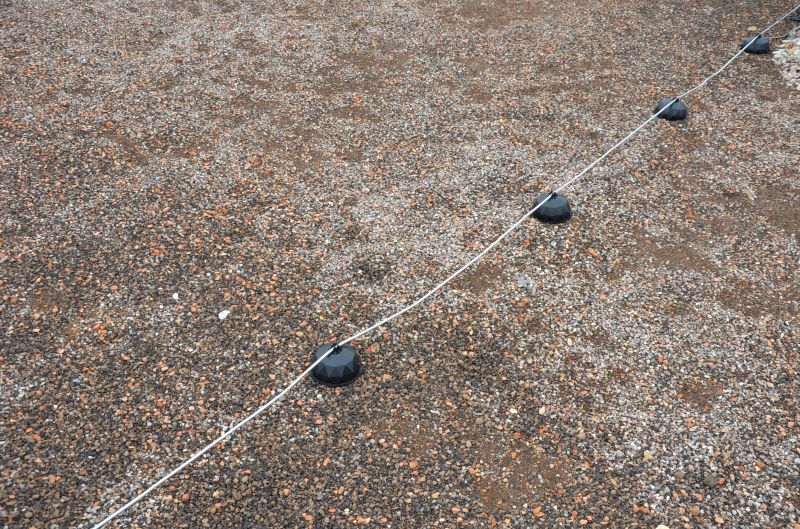
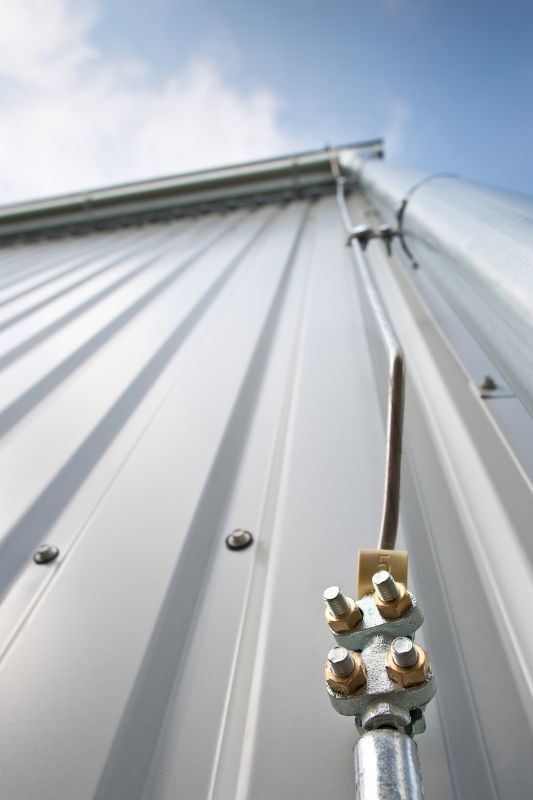
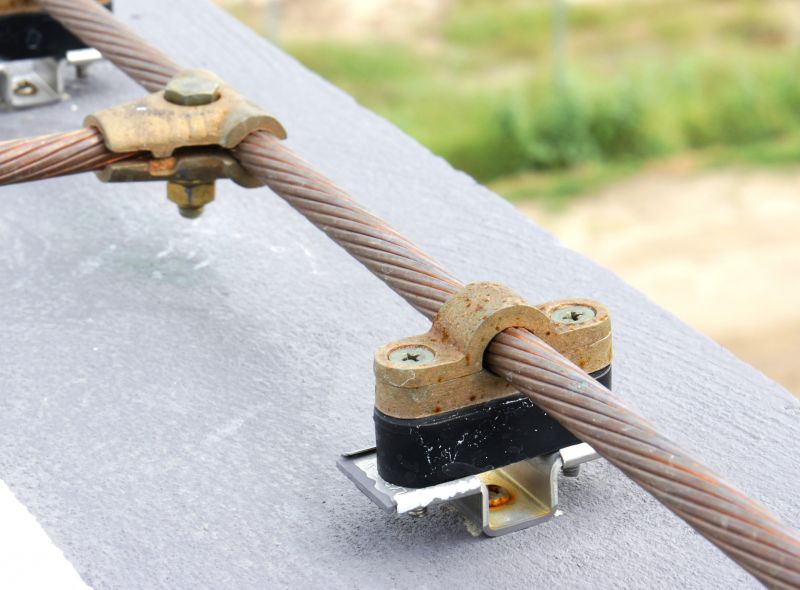
Price Range Overview
$1,200 - $2,800 (smaller scope)
$5,000 - $15,000 (larger commercial systems)
| Project Type | Typical Range |
|---|---|
| Residential Lightning Protection | $1,200 - $2,800 |
| Small Commercial Systems | $5,000 - $8,000 |
| Large Commercial/Industrial Systems | $10,000 - $15,000 |
| Farm Buildings | $3,500 - $7,000 |
| Utility Structures | $8,000 - $15,000 |
| Renovation or Upgrades | $2,500 - $6,000 |
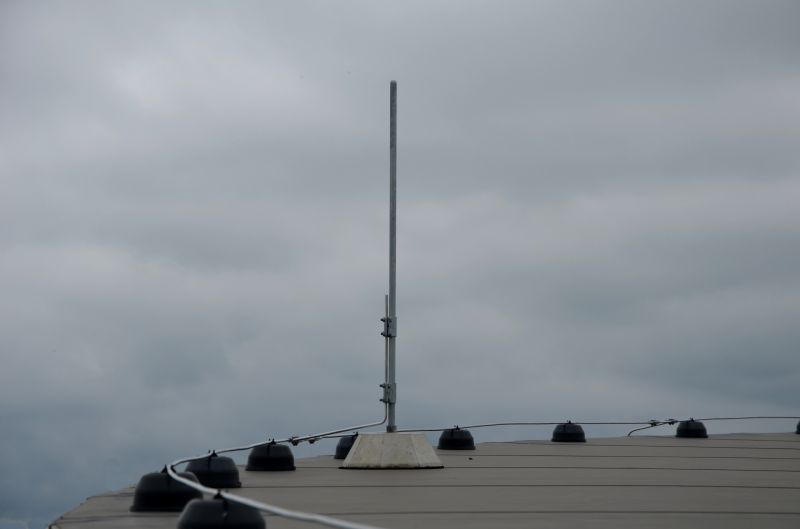
Factors Affecting Cost
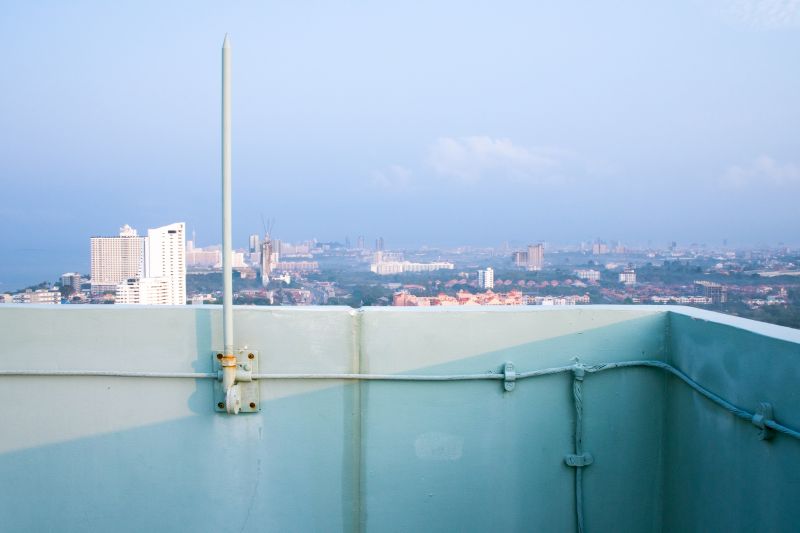
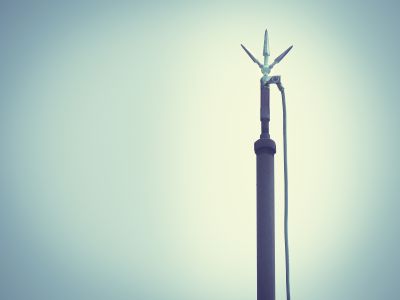
Lightning protection systems are designed to safeguard structures from the damaging effects of lightning strikes. Properly installed systems can help prevent fire, electrical surges, and structural damage. Understanding the typical components and considerations involved can assist in making informed decisions about lightning protection projects.
- Materials: Common materials include copper, aluminum, and specialized conductive alloys for lightning rods and grounding components.
- Size and Scope: The size of a lightning protection system varies based on the structure’s height, footprint, and complexity, ranging from simple single-point rods to extensive networked systems.
- Labor Complexity: Installation complexity depends on building design, accessibility, and the number of components involved, often requiring careful integration with existing electrical systems.
- Permitting: Local regulations may require permits or inspections for lightning protection system installation, especially for larger or commercial structures.
- Extras: Additional features may include surge protection devices, grounding enhancements, and maintenance access points to ensure ongoing system effectiveness.
Understanding Project Scope
| Scope/Size | Typical Range |
|---|---|
| Residential systems | 20 kA to 100 kA |
| Commercial buildings | 100 kA to 300 kA |
| Industrial facilities | 300 kA to 600 kA |
| Large warehouses | 200 kA to 500 kA |
| High-rise structures | 500 kA and above |
Project costs and options vary based on system scope and size, making comparison important for informed decision-making.